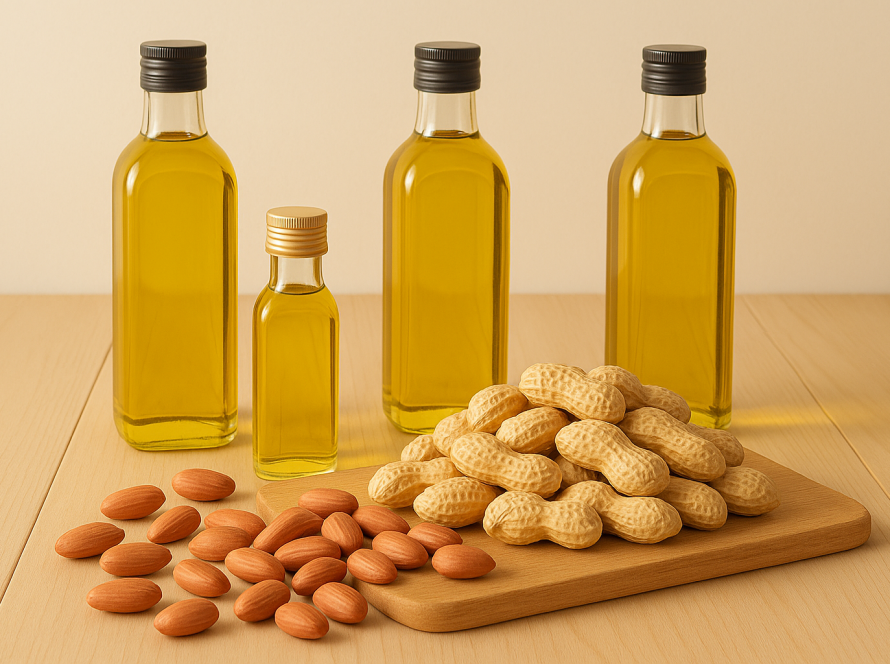


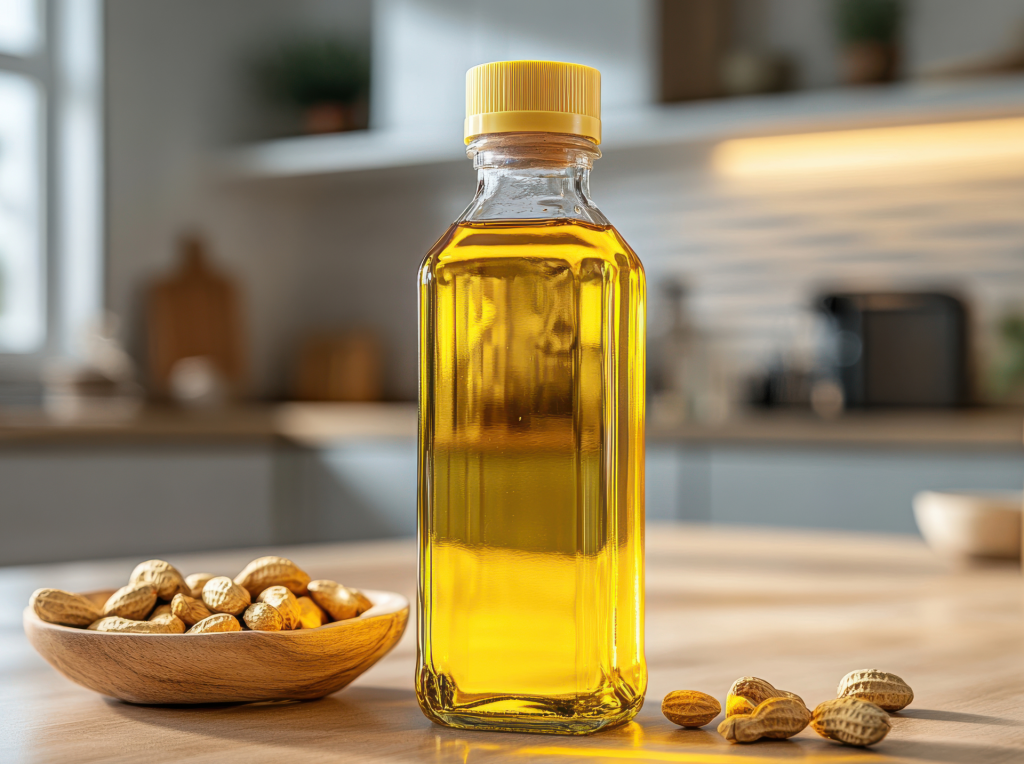
Groundnut oil remains a staple across Indian households, food businesses, and export markets. Its purity, rich taste, and health benefits make it a preferred choice — but have you ever noticed how its price keeps changing?
Understanding what drives groundnut oil prices is crucial, especially if you’re a wholesaler, food manufacturer, or even a regular buyer planning bulk purchases.
The Role of Agriculture and Climate
Agricultural factors form the foundation of groundnut oil pricing. Since groundnuts are primarily grown as a Kharif crop, their production heavily depends on the monsoon. Good rainfall results in bumper harvests, ensuring stable oil supply and moderate prices. In contrast, poor rains, pest attacks, or reduced sowing areas cause supply shortages, driving prices higher.
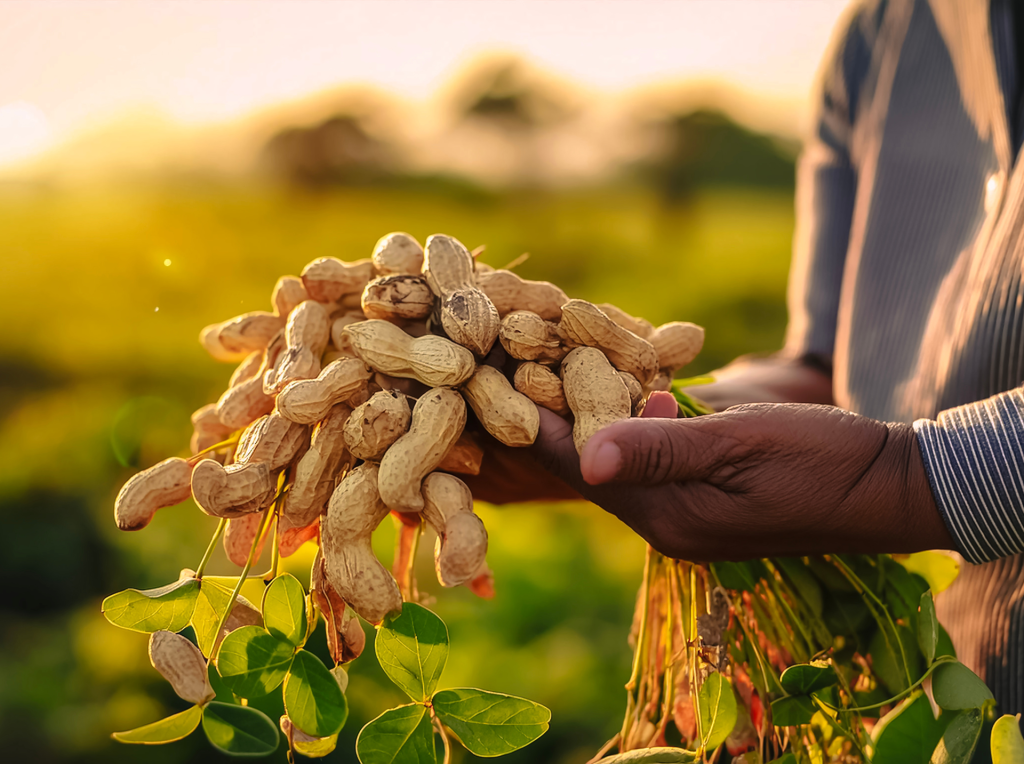
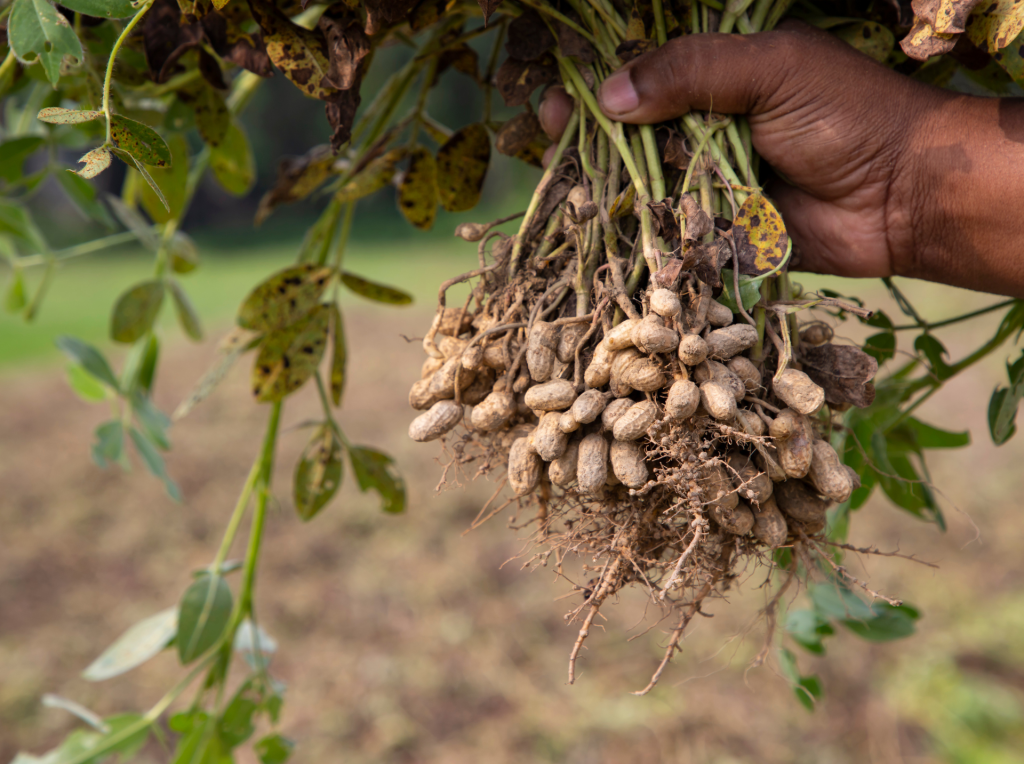
The global stage plays an equally important role. International demand for Indian groundnut oil — particularly from countries like China, Indonesia, and Europe — can pull domestic supplies out of the market. When exports rise, local availability tightens, and prices climb. Currency fluctuations, especially a stronger US dollar, make Indian oils more attractive globally, adding to export demand.
Government policies, too, directly impact groundnut oil prices. A higher Minimum Support Price (MSP) gives farmers better returns but adds cost pressure on oil producers. Additionally, changes in import or export duties can alter market supplies overnight, causing either sudden price drops or sharp spikes.
In agriculture, it’s not just about supply and demand — it’s about nature, nations, and necessity.
Processing costs and technological advancements cannot be overlooked. Modern cold-pressing methods and energy-efficient machinery have improved yields but come with higher operational costs. Fluctuating fuel prices, labor expenses, and maintenance charges also influence the final cost of a bottle of groundnut oil.
Seasonal Trends and Consumer Behavior
Consumer preferences have shifted dramatically over the past decade. With rising health consciousness, there’s a growing preference for cold-pressed, chemical-free oils. Festive seasons, weddings, and traditional ceremonies further spike oil consumption, temporarily lifting prices. Smart businesses and buyers stock up early to avoid paying premiums during these peak times.
At the end of the day, groundnut oil prices are shaped by a fine balance of nature, market dynamics, technology, and evolving consumer behavior. Staying updated on these factors allows businesses to plan smarter and helps consumers make better purchasing decisions.
At Anks Edible, we work closely with farmers, processors, and exporters to ensure consistent supply, uncompromised quality, and the best value for every customer — no matter the market conditions.